October 2025 Newsletter
Nurturing language development
Language is at the heart of how children learn, connect, and express themselves. From the earliest coos and babbles to a child’s first stories and conversations, communication skills grow rapidly in the first five years of life. Early learning and child care programs play a powerful role in nurturing this growth, offering children opportunities to communicate in safe, supportive environments.
Strong language development is more than learning words. It is about building relationships, supporting identity, and giving children the tools to make sense of the world around them. When educators respond to a baby’s gestures, engage in playful conversations with toddlers, or encourage preschoolers to share their ideas, they are laying the foundation for lifelong learning. Research shows that children who experience rich language interactions in the early years are more likely to develop strong literacy skills, critical thinking abilities, and social confidence later in life.
Families and educators are partners in this journey. By creating environments filled with conversation, storytelling, music, and meaningful interactions, we can give children daily opportunities to practice and expand their communication. Importantly, nurturing language development also means respecting and valuing the languages children bring from home, including Indigenous languages and those spoken by multilingual families. This approach not only supports language growth but also strengthens children’s sense of belonging and cultural identity.
Together, we can ensure that every child’s voice is heard, celebrated, and nurtured.
Supporting language skills
There are many ways educators can support the development of speech, language and communication skills.
Practice Serve and Return – responsive, back-and-forth exchanges essential to the development of communication, language and social skills. Our favourite video on the critical importance of Serve and Return is a speech by a seven-year-old!
Prepare print-rich spaces: Label shelves, use picture schedules, and display children’s dictated stories.
Provide opportunities for outdoor learning: Nature walks provide endless opportunities for conversation, description, and questioning.
Promote Indigenous languages: The Yukon Native Language Centre provides teaching and learning resources, including read-along storybooks, to support Yukon First Nations language development.
Partner with families: Families are children’s first teachers. Strengthen connections with families by:
- Sharing tips for talking, reading, and singing at home
- Encouraging storytelling in the family’s home language
- Celebrating children’s language development milestones and new words with parents
Strategies for educators at each age and stage
Supporting infants: connection through sounds and simple words
- Respond to babbles: Mirror cooing, babbling, and early sounds to show communication is reciprocal.
- Use “parentese”: Speak slowly with clear articulation, high pitch, and exaggerated intonation.
- Narrate routines: Describe what you are doing during diaper changes, feeding, or playtime.
- Sing lullabies and nursery rhymes – repetition builds familiarity and rhythm awareness.
Supporting toddlers: expanding vocabulary and two-way exchanges
- Name objects, actions, and emotions during play: “You’re stacking the blue block on the tall tower!”
- Offer choices with words: “Do you want the red cup or the green cup?”
- Read interactively: Ask simple “what” or “where” questions while reading picture books.
- Toddlers love repetition: Read the same book multiple times to strengthen vocabulary.
Supporting preschoolers: complex sentences, storytelling, and social communication
- Encourage open-ended questions: Instead of “What colour is this?” try “What do you think will happen next?”
- Model rich vocabulary: Introduce new words in meaningful contexts. (“That’s enormous!”)
- Support storytelling: Invite children to retell familiar stories, share about their day, or create imaginary play scenarios.
- Promote peer talk: Facilitate small group activities where children converse, negotiate, and collaborate.
Do you know?
The Yukon Child Development Centre (CDC) offers resources and support for educators and families. Their resources can support you to recognize developmentally appropriate language development, and to identify red flags. The CDC provides handouts and resources on speech and language development for children to support your work as educators, and to share with families. They include:
- Follow your child’s lead – repeat and repeat (PDF)
- Benefits of reading to infants and children (PDF)
- Speech, language and hearing milestones (PDF)
- Speak your first language (PDF)
- Encouraging first words - information (PDF)
- Encouraging first words - interaction (PDF)
- Language building tips – children who have just started talking (PDF)
Recommended resource: The Hanen Centre provides information and tips for creating enriched language-learning experiences in early childhood settings.
How speech, language and communication skills support other areas of development
Speech, language and communication
Learning
Behaviour
Social
Development
Emotional
Development
Learn more about the programs offered by the Child Development Centre (including speech-language therapy) by visiting their website, or by emailing [email protected].
Book Nook
Picture books and board books can support language development when they incorporate repetitive structure, predictable text, soothing rhythm, and interaction. When reading with children, remember to:
- Pause to engage
- Use repetition and predictability
- Interact physically
- Follow a child’s interests
- Expand vocabulary
- Read often and as part of your routines
Children fall in love with books because of the memories created when they snuggle up and read with someone they love.
Raising Readers, non-profit supporting early literacy
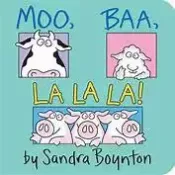
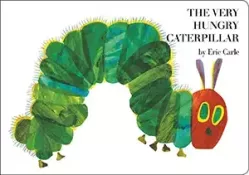
Here are some titles often recommended by speech-language pathologists to support language development.



The goal of early childhood education should be to activate the child’s own natural desire to learn.
Maria Montessori, physician and educator
Explore
Activity idea:
“Mystery Bag Talk”
Materials:
- A cloth bag or box
- 5–8 small, familiar objects (e.g., toy car, spoon, stuffed animal, block, ball, hat, etc.)
How to Play:
- Place the objects in the bag.
- Invite a child to reach in, feel one object (without looking), and describe it:
- Encourage them to talk about what they feel: “It’s round… it’s soft… it might be a ball!”
- Once the child guesses, they pull it out and name it.
- Expand on their words: If they say “ball”, you can say, “Yes, a red bouncy ball! We can roll it.”
- Continue with each child taking turns.
Why it works:
- Builds vocabulary (names of objects, colors, shapes, textures).
- Encourages descriptive language and sentence building.
- Adds excitement through guessing, which keeps children engaged.
- Can easily adapt for different ages and languages
Grow
Reflective questions for early childhood educators encourage critical thinking that relate to language, speech, communication and literacies. Consider these questions from the B.C. Early Learning Framework as you think about language development:
- How do adults accept and honour all children’s (babies, toddlers, children with diverse abilities) expressions of fear, joy, happiness, sadness, disgust, etc.? (p. 81)
- What opportunities do I provide for children to hear stories, poems, rhythms, chants, and songs? How do these connect to the child’s culture? (p. 81)
- How do I extend and deepen conversations with children? (p. 82)
- How do I respond to the sounds infants make (e.g., their squeals, growls, grunts and babbling)? (p. 82)
- Sounds can be a source of delight and enjoyment. How can I enhance this (e.g., rhymes, alliteration, poems)? (p. 82)