May / June 2026 Newsletter
Grounded in practice
At its core, early childhood education is a relational and reflective profession. By grounding ourselves in occupational standards and ethical practice, we strengthen not only the quality of care we provide, but also our sense of purpose, professionalism, and shared understanding of the important role educators hold within Yukon communities.
Like nursing, teaching, social work, and many other professions, early childhood education is guided by occupational standards that help define the scope and responsibilities of the role. These standards outline the knowledge, skills, and expectations that support high-quality, professional practice. They help educators understand what is expected in their work, support supervisors in developing clear job descriptions and leadership practices, and create a shared understanding across the field.
Occupational standards shape how we support children’s development, ensure wellbeing and safety, build strong relationships, and contribute to our communities. Ethical practice invites us to think deeply about our decisions and to reflect on the impact of our choices and actions. We show ethical practice by considering multiple perspectives and acting with care, respect, and integrity.
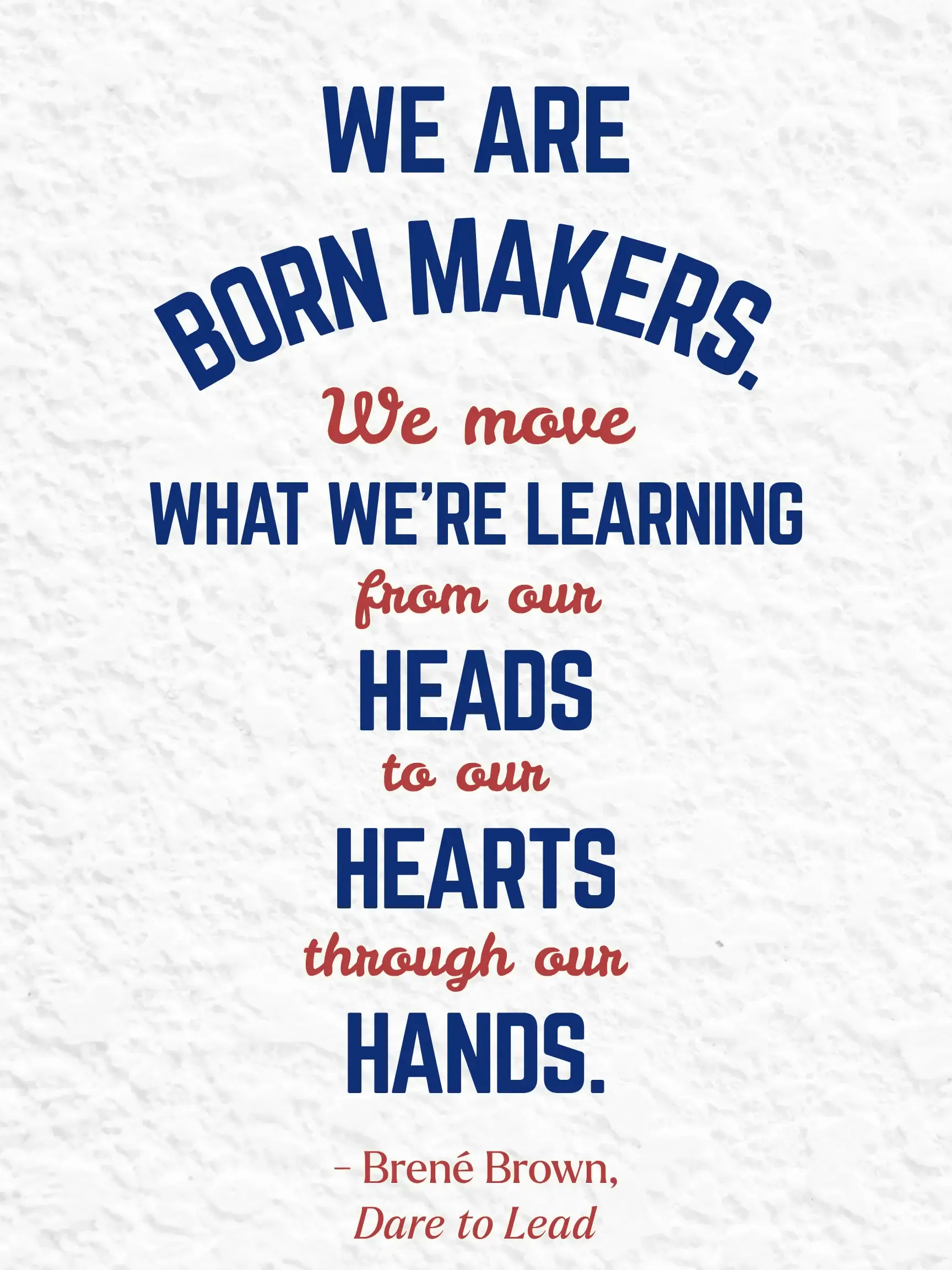
Occupational standards and ethical care
What are occupational standards?
Occupational standards outline the knowledge, skills, and attitudes expected of early childhood educators. They help ensure consistency, professionalism, and quality care across programs. Think of these as the foundation of your practice – the “what” of your work
Organizations like the Child Care Human Resources Sector Council have helped define core competencies such as:
- Supporting child development
- Ensuring health, safety, and wellbeing
- Building relationships with families
- Practicing professionalism and ethics
Explore the CCHRSC Occupational Standards for Early Childhood Educators: OSECE_2010_EN.pdf
What is ethical practice?
Ethical practice is the “how” and “why” behind what we do. It is about making thoughtful, respectful decisions in complex situations.
Guiding principles often include:
- Respect for children as capable individuals
- Honesty and integrity in relationships
- Confidentiality and professionalism
- Equity, inclusion, and cultural responsiveness
Explore the Canadian Child Care Federation (CCCF) Code of Ethics: Our Code of Ethics | Canadian Child Care Federation.
Visit the Early Childhood Educators of British Columbia Code of Ethics: Code of Ethics | Early Childhood Educators of BC.
Child care professionals work in ways that enhance human dignity in trusting, caring and co-operative relationships that respect the worth and uniqueness of the individual.
CCCF Code of Ethics
How standards & ethics intersect
Standards tell us what to do - but ethics help us decide how and why, especially when situations are unclear.
Example scenario: A child is struggling during drop-off and becomes distressed when their caregiver leaves.
- Occupational standard: Support emotional wellbeing and transitions
- Ethical practice: Respect the child’s feelings, build trust, and communicate openly with the family
Your response might include staying present, offering comfort, and collaborating with the family on consistent strategies.
Do you know?
Engaging in ongoing professional learning is part of ethical practice
In early childhood education, learning does not end with certification - it is an ongoing ethical responsibility. As educators, we are entrusted with supporting children during some of the most important stages of their development. This responsibility requires us to stay curious, reflective, and open to new knowledge that strengthens our practice.
Continuous learning goes beyond attending workshops or completing required training hours. It includes everyday acts of reflection: noticing children’s interests, questioning our assumptions, and seeking new ways to respond thoughtfully. Ethical practice asks us to consider not only what we know, but how our knowledge evolves over time. As research, community needs, and cultural understandings shift, so too must our approaches.
Yukon government’s Early Learning and Child Care Branch offers funding to support your ongoing professional development. Our enhanced bursary fund provides early childhood educators working in licensed early learning and child care programs with up to $500 towards a credit or non-credit learning opportunity.
Reach out to [email protected] to discuss your individual learning interests and goals.
"The goal is not to be perfect by the end. The goal is to be better today."
Simon Sinek (author, motivational speaker, and leadership expert)
For additional learning and development opportunities, professional resources, Yukon-specific documents, and news and events, visit the Yukon early learning educators web hub. This is a space for Yukon early childhood educators to learn, explore, and grow together as a community.
Visit the website here: Yukon early learning educators web hub.
Book nook
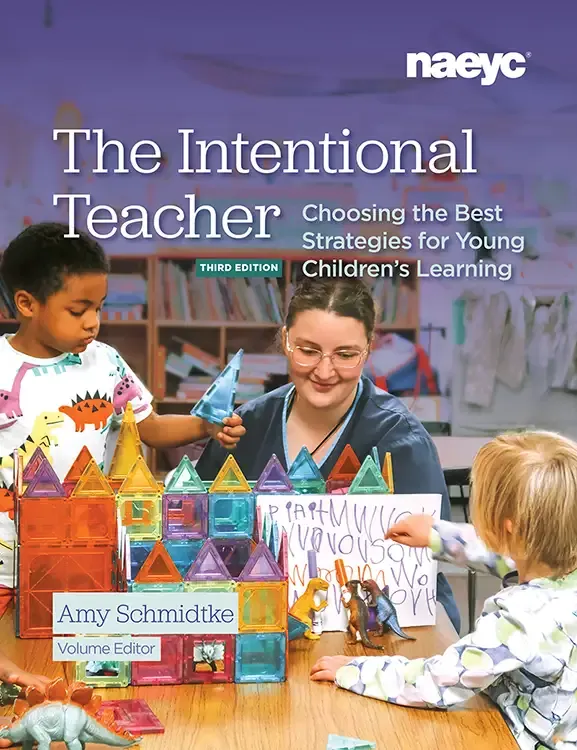
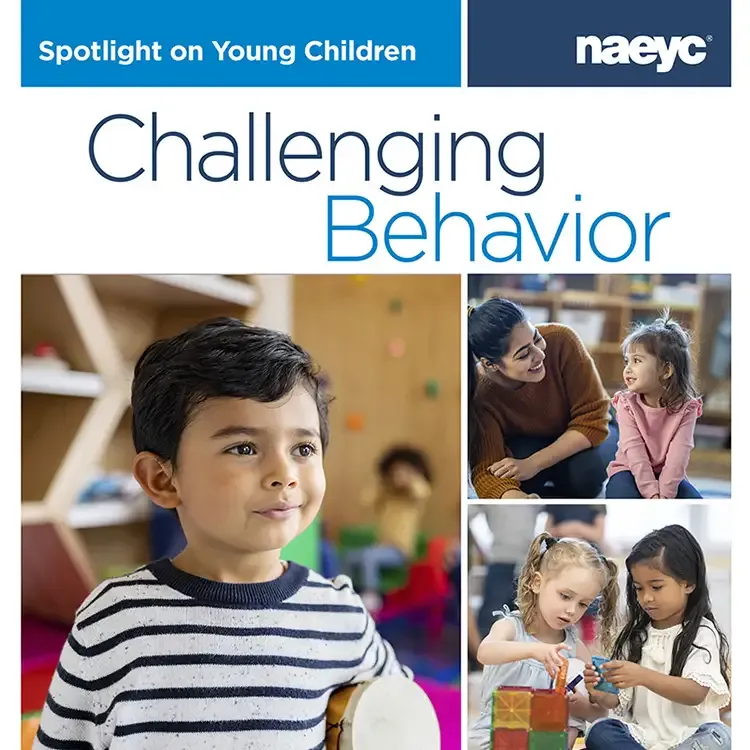
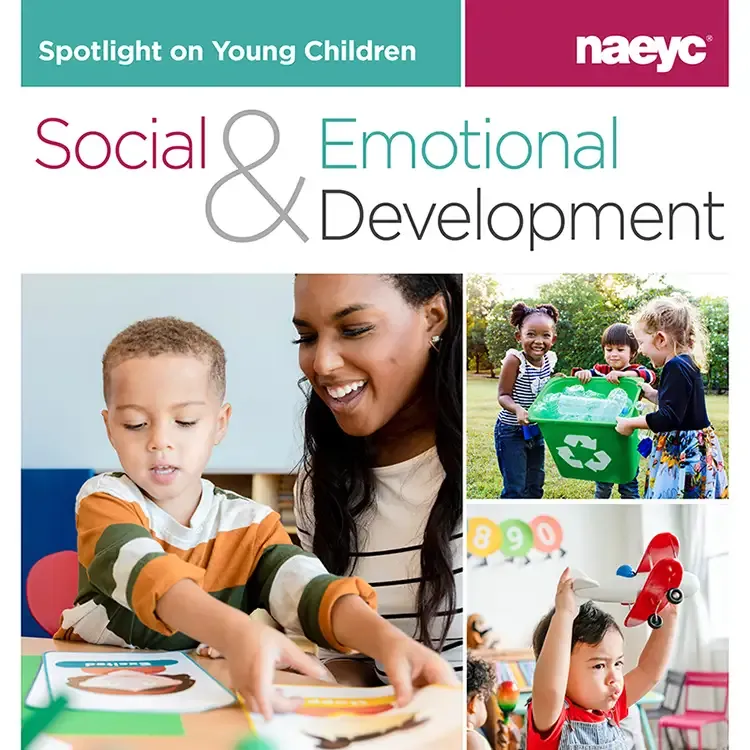
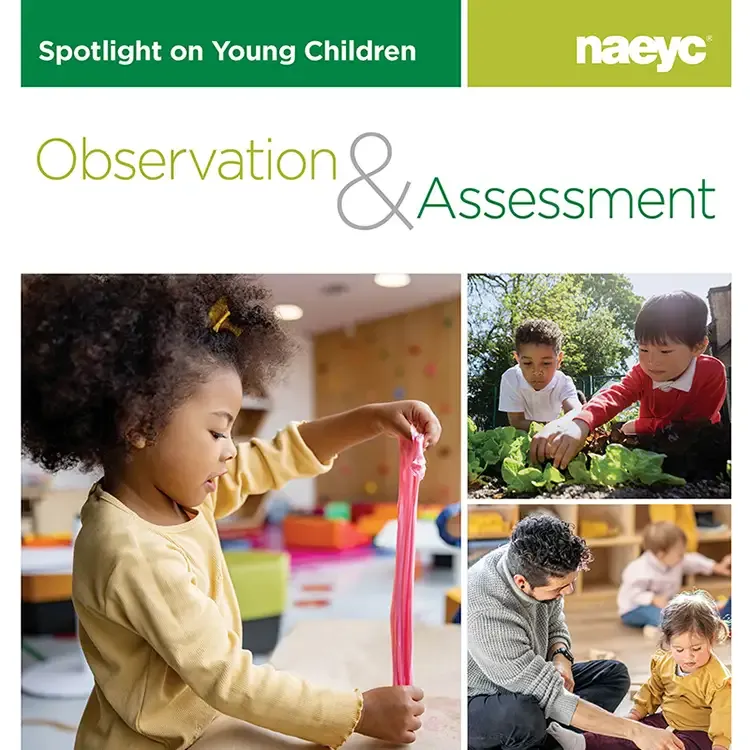
NAEYC has developed a library of professional books designed to inspire, inform, and empower early childhood educators. NAEYC’s collection supports you to deepen your understanding of child development, enhance classroom practices, or explore the latest research in the field. Their website also offers a variety of free articles on aspects of child development and caregiving.
The ELCC Branch has many NAEYC resource books – reach out to borrow one (or many!).
Browse their collection of books and e-books here: Books | NAEYC
"If you see someone without a smile, give them yours."
Dolly Parton, singer and songwriter
Explore
Book and activity idea:
Have You Filled a Bucket Today? by Carol McCloud
Purpose: This story introduces the idea that everyone carries an invisible “bucket” that can be filled with kindness or emptied through hurtful actions.
It’s a powerful, concrete way for children to begin understanding ethical concepts like empathy, respect, and responsibility toward others.
What you need:
- A small bucket (real or paper)
- Pom-poms, stones, or tokens
- Paper and markers
How it works:
- Introduce the idea of a “kindness bucket” during circle time.
- Each time a child shows kindness (helping, sharing, comforting), add a token to the bucket.
- Invite children to notice and name kind actions:
“I saw you help your friend – that fills their bucket!” - At the end of the day, reflect together:
- How did we fill each other’s buckets today?
- How did it feel?
Grow
The Canadian Child Care Federation Code of Ethics is built around several interconnected responsibilities:
- Responsibilities to children
- Responsibilities to families
- Responsibilities to colleagues and the profession
- Responsibilities to community and society
Consider these reflective questions:
- How do my daily interactions reflect respect for children, families, and community relationships?
- In what ways do I honour families as primary caregivers, especially in small or close-knit Yukon communities?
- Do I seek out knowledge, or do I wait for it to come to me? What is my responsibility in this relationship?